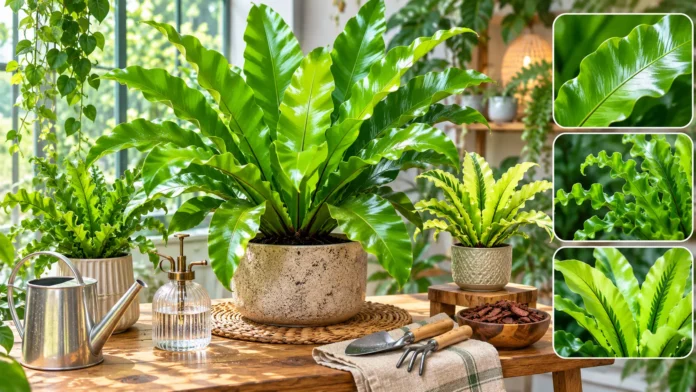
The rattlesnake plant is a beautiful tropical houseplant known for its long, wavy leaves, dark green markings, and purple undersides. Its striking foliage makes it a popular choice for indoor gardens, offices, and decorative plant collections. Unlike many flowering houseplants, the rattlesnake plant gets most of its beauty from its colorful leaf patterns. With proper care, it can remain healthy and attractive throughout the year.
Growing a rattlesnake plant indoors requires attention to light, watering, temperature, and humidity. Although it is considered somewhat sensitive to environmental changes, beginners can successfully grow it by following simple care practices. Understanding its natural habitat and growth requirements helps prevent common problems such as curling leaves, brown edges, and yellow foliage. This guide explains rattlesnake plant care, growing tips, propagation, popular varieties, and common problems.
What Is a Rattlesnake Plant?
The rattlesnake plant is a tropical perennial belonging to the Marantaceae family. Its accepted botanical name is Goeppertia insignis, although it is still widely sold under the older name Calathea lancifolia. It is native to Brazil, where it naturally grows beneath tropical forest vegetation. Its attractive leaves and compact growth habit make it a popular indoor ornamental plant.
The plant gets its common name from the unusual patterns covering its long, narrow leaves. Dark green oval markings resemble the patterns found on a rattlesnake’s body. The leaf edges are naturally wavy, while the undersides display a rich purple or burgundy color. These contrasting features give the plant a distinctive appearance that stands out among other tropical houseplants.
Like several related prayer plants, rattlesnake plants can move their leaves in response to daily light changes. Their foliage may rise slightly during the evening and spread outward during daylight hours. This natural movement is associated with the plant’s internal biological rhythms. Understanding these characteristics helps gardeners appreciate its behavior without confusing normal movement with environmental stress.
Why Are Rattlesnake Plants Popular Houseplants?
Rattlesnake plants are popular because their decorative leaves provide color and texture throughout the year. Their distinctive markings create an attractive appearance without requiring flowers. The combination of green foliage and purple undersides complements different interior decorating styles. They are particularly appealing in rooms where natural greenery serves as a decorative feature.
Another advantage is their manageable indoor size. Mature plants commonly reach approximately two to three feet tall under favorable growing conditions. Their upright, arching foliage makes them suitable for plant stands, shelves, and floor arrangements. However, their exact size depends on container dimensions, available light, and overall growing conditions.
Rattlesnake plants also appeal to people who enjoy collecting tropical foliage plants. Their unique appearance makes them recognizable among other members of the prayer plant family. Although they require consistent humidity and moisture, their care becomes manageable when environmental conditions remain stable. Their attractive leaves reward gardeners who provide suitable growing conditions.
How to Care for a Rattlesnake Plant Indoors
Successful rattlesnake plant care begins with recreating conditions similar to its tropical forest habitat. These plants prefer bright, indirect sunlight, warm temperatures, and consistently moist but well-drained soil. They also appreciate relatively high humidity. Maintaining these conditions helps protect the leaves from unnecessary stress and supports healthy growth.
One important aspect of indoor care is avoiding sudden environmental changes. Moving the plant from a humid location to a dry room may cause leaf curling or brown edges. Similarly, exposure to strong sunlight can damage its delicate foliage. Choosing a suitable location and keeping conditions reasonably consistent often produces better results than repeatedly moving the plant.
Regular observation is another useful part of maintaining a healthy rattlesnake plant. Check the soil before watering and inspect leaves for discoloration or pest activity. Changes in leaf appearance can indicate problems involving moisture, temperature, or light. Responding to these signs early helps prevent minor issues from affecting the entire plant.
Best Light Conditions for Rattlesnake Plants
Rattlesnake plants grow best in bright, indirect light that resembles the filtered sunlight of tropical forests. An east-facing window often provides suitable morning brightness without exposing the foliage to strong afternoon rays. Rooms with larger windows may also work when plants are positioned away from direct sunlight. Adequate lighting helps maintain attractive leaf patterns.
Direct sunlight can damage the leaves by causing faded colors, brown patches, or dry edges. The plant naturally grows beneath taller vegetation, where intense rays are filtered before reaching its foliage. A sheer curtain can help soften sunlight entering a bright room. Moving the plant slightly away from the window may also prevent unnecessary exposure.
Although rattlesnake plants tolerate moderate light, extremely dark conditions can slow their growth. New leaves may appear less frequently, and existing foliage may lose some vibrancy. During darker seasons, an appropriate indoor grow light can provide additional illumination. Avoid positioning artificial lighting too close to the leaves, as excessive heat may cause damage.
How Often Should You Water a Rattlesnake Plant?
Rattlesnake plants prefer soil that remains lightly moist without becoming constantly saturated. Their watering needs change according to room temperature, humidity, pot size, and seasonal growth. Instead of following a rigid schedule, check the upper layer of soil regularly. Water when the surface begins to feel slightly dry while the deeper mixture still contains some moisture.
During spring and summer, active growth may increase the plant’s water requirements. Warmer indoor conditions can also cause moisture to evaporate more quickly. In winter, slower growth and reduced sunlight often mean the soil stays moist longer. Adjusting watering frequency helps prevent both dehydration and waterlogged roots.
Water quality may also influence rattlesnake plant leaf health. Some plants develop brown tips when exposed to excess dissolved minerals or certain chemicals in tap water. Filtered water, rainwater, or another suitable low-mineral source may help sensitive plants. Always allow excess water to drain away rather than leaving the container standing in collected moisture.
Best Soil for Healthy Rattlesnake Plant Growth
The best soil for rattlesnake plants combines moisture retention with reliable drainage. Their roots need access to water but can suffer when the growing medium remains excessively wet. A loose, organic-rich mixture allows moisture and oxygen to move through the root zone. Dense, compacted soil can restrict drainage and contribute to root problems.
A suitable indoor potting mixture may contain peat moss or coco coir, perlite, and fine orchid bark. Moisture-retaining materials help prevent the soil from drying too quickly, while perlite and bark improve aeration. The exact mixture can vary depending on indoor humidity and watering habits. A balanced medium supports healthy root development without excessive water accumulation.
Soil condition should be monitored as the plant grows. Over time, potting mixtures may compact, break down, or retain moisture differently. If water drains poorly or the soil develops an unpleasant odor, repotting may become necessary. Replacing unsuitable soil with a fresh, well-draining mixture can improve growing conditions and support recovery.
Ideal Temperature for Rattlesnake Plants
Rattlesnake plants thrive in warm indoor environments with relatively stable temperatures. A range of approximately 65–80°F (18–27°C) is generally suitable for healthy growth. These tropical plants are sensitive to cold conditions and sudden temperature changes. Maintaining comfortable warmth helps encourage new foliage and reduces unnecessary stress.
Cold drafts from windows, doors, or air-conditioning units can damage sensitive leaves. Temperatures below approximately 60°F (16°C) may slow growth and increase the risk of stress, especially with prolonged exposure. Avoid placing the plant directly beside frequently opened exterior doors. A sheltered indoor location provides more consistent growing conditions.
Excessive heat can also cause problems when combined with low humidity or insufficient moisture. Heating vents and radiators may dry the surrounding air and increase moisture loss from leaves. Keep the plant away from direct heat sources whenever possible. Balanced warmth, adequate humidity, and proper watering work together to maintain healthy foliage.
How Much Humidity Does a Rattlesnake Plant Need?
Humidity is one of the most important requirements for maintaining healthy rattlesnake plant leaves. These tropical plants naturally grow in environments where the surrounding air contains substantial moisture. Indoor humidity around 50–60% or higher is often beneficial, provided airflow remains adequate. Dry air can contribute to brown edges and curling foliage.
A room humidifier is an effective way to provide more consistent humidity around indoor plants. Grouping compatible tropical houseplants may also increase moisture slightly within their immediate surroundings. However, plants should not be crowded so closely that airflow becomes restricted. Excessive moisture on leaves combined with poor ventilation may encourage fungal problems.
Some gardeners mist rattlesnake plants to temporarily increase moisture around their foliage. However, misting usually provides only a short-lived humidity increase and may leave water sitting on leaves. Maintaining room humidity is generally more dependable. A small hygrometer can help monitor conditions and determine whether environmental adjustments are necessary.
How to Fertilize a Rattlesnake Plant
Rattlesnake plants benefit from occasional feeding during active growth. Spring and summer are usually the most suitable periods for fertilizer applications. A balanced liquid fertilizer formulated for indoor foliage plants can provide useful nutrients. Diluting the fertilizer according to the product’s instructions helps reduce the risk of excessive nutrient buildup.
Applying fertilizer every four to six weeks during active growth may be suitable for many indoor specimens. However, feeding requirements depend on plant size, soil fertility, and growing conditions. Excess fertilizer can damage roots or contribute to brown leaf tips. It is better to use moderate amounts than to encourage rapid growth through heavy feeding.
During autumn and winter, growth often slows because natural light levels decrease. Fertilizer applications can usually be reduced or paused until active growth resumes. Avoid feeding plants that are severely stressed, recently damaged, or suffering from root problems. Correcting environmental conditions should take priority over adding nutrients.
Rattlesnake Plant Varieties and Similar Plants
The classic rattlesnake plant, Goeppertia insignis, is recognized by its narrow, wavy leaves and dark green markings. It is often sold as Calathea lancifolia in nurseries and online plant shops. The purple leaf undersides provide additional ornamental interest. Although plants may vary slightly in size and pattern, this species is the standard rattlesnake plant.
Unlike some popular houseplants, rattlesnake plants do not have a large selection of widely established named cultivars. Many plants advertised as different rattlesnake varieties are actually similar-looking species from the Marantaceae family. Their leaf patterns, colors, and shapes can vary considerably. Checking botanical names helps buyers distinguish genuine rattlesnake plants from related ornamental species.
Similar options include the peacock plant, Goeppertia makoyana, and the zebra plant, Goeppertia zebrina. Another related choice is Goeppertia ornata, commonly called the pinstripe plant. These species share preferences for filtered light, warmth, and consistent moisture. However, they have different foliage patterns and may respond somewhat differently to indoor growing conditions.
How to Propagate a Rattlesnake Plant
Rattlesnake plants are generally propagated through division rather than ordinary stem cuttings. Unlike vining prayer plants, they grow from underground structures and do not produce suitable aboveground stem nodes for typical cutting propagation. Division allows established plants to be separated into smaller sections. Spring is often a favorable time because active growth supports recovery.
Begin by carefully removing a healthy mature plant from its container. Gently examine the root system and identify sections with their own roots and growing points. Separate suitable portions using your hands or a clean tool when necessary. Avoid dividing very small or weak plants because insufficient roots may reduce their chances of successful establishment.
Place each division into an appropriately sized container with fresh, well-draining potting soil. Water carefully and position the new plants somewhere warm with bright, indirect light. Maintain suitable humidity while the divisions establish themselves. Temporary slower growth may occur, but healthy sections can eventually develop fresh leaves and stronger root systems.
When and How to Repot a Rattlesnake Plant
Rattlesnake plants generally prefer containers that provide enough space for root development without holding excessive soil moisture. Repotting may become necessary when roots become crowded or water drains unusually quickly. Roots emerging from drainage holes can also indicate limited space. Spring is commonly a suitable time to refresh the growing medium.
Choose a new container only slightly larger than the existing one. Oversized pots may retain unnecessary moisture, increasing the possibility of root problems. Carefully lift the plant from its original container and inspect the roots for damage. Remove severely decayed roots when necessary before placing the plant into fresh potting soil.
After repotting, return the rattlesnake plant to a familiar environment with suitable light and humidity. Avoid exposing it to strong sunlight or dramatic temperature changes during recovery. Water according to the moisture level of the new growing medium. The plant may temporarily slow its growth while adjusting to the disturbed root system.
Why Are Rattlesnake Plant Leaves Curling?
Curling leaves are a common concern among rattlesnake plant owners. Insufficient soil moisture is one possible cause, particularly when the potting mixture becomes excessively dry. Dry air and extreme temperatures can also contribute to leaf curling. Identifying the underlying problem is important because adding water does not solve every case.
Check soil moisture before changing your watering routine. If the soil is dry, water thoroughly and allow excess moisture to drain away. If the soil remains wet, examine drainage conditions and consider possible root stress. Persistent curling may also require checking humidity levels, temperature exposure, and signs of insect pests.
It is also important to remember that rattlesnake plants naturally change their leaf positions during the day. Their leaves may rise during darkness and spread outward again when light returns. This movement is generally normal and does not indicate poor health. However, prolonged tight curling accompanied by discoloration usually deserves closer examination.
Why Are Rattlesnake Plant Leaves Turning Brown?
Brown leaf tips are frequently associated with environmental stress in rattlesnake plants. Low humidity, inconsistent watering, and excessive mineral accumulation can contribute to the problem. Direct sunlight may also cause larger brown patches on exposed foliage. Understanding where discoloration appears helps identify the most likely causes.
If only the leaf edges become dry and crispy, check the surrounding humidity and watering conditions. A humidifier may help when dry indoor air is the main issue. Using suitable water can also be beneficial for plants sensitive to mineral accumulation. Avoid making several major changes simultaneously because this makes identifying the actual problem more difficult.
Brown tissue cannot recover its original green color once the damage has occurred. However, improving care conditions may prevent similar damage from appearing on new leaves. Severely damaged foliage can be removed with clean scissors when appropriate. Healthy new growth is usually a better indicator of recovery than the appearance of previously injured leaves.
Why Are Rattlesnake Plant Leaves Turning Yellow?
Yellow leaves can develop for several reasons, including excessive watering, poor drainage, or natural aging. Occasional yellowing of older leaves is normal as the plant replaces mature foliage. However, widespread discoloration may suggest that growing conditions need attention. Examining the root zone is particularly important when soil remains wet for extended periods.
Overwatering can reduce oxygen availability around the roots and contribute to root decay. Affected plants may develop yellow foliage, weak growth, or drooping leaves despite moist soil. Allowing the growing medium to drain properly is essential. Severely damaged roots may require repotting into a healthier soil mixture.
Insufficient light, nutrient imbalances, and pest activity can also cause yellowing. Before adding fertilizer, inspect the plant for insects and evaluate its overall environment. Providing balanced light and consistent care often improves future foliage quality. Remove fully yellow leaves when appropriate, but avoid unnecessary pruning of otherwise healthy growth.
Common Rattlesnake Plant Pests and Diseases
Rattlesnake plants may attract common indoor pests such as spider mites, mealybugs, and scale insects. Spider mites are especially troublesome in dry indoor conditions and may cause fine spotting on leaves. Mealybugs often appear as small cotton-like clusters along stems or leaf bases. Regular inspection helps detect infestations before they become extensive.
When pests appear, isolate the affected plant from nearby houseplants if possible. Gently cleaning leaves can help remove some insects and debris. Suitable insecticidal soap or other products labeled for indoor ornamental plants may be useful. Always follow product directions and test sensitive foliage before treating the entire plant.
Fungal and bacterial problems may also occur when growing conditions remain excessively wet. Poor drainage, saturated soil, and limited airflow can increase the risk of certain diseases. Remove affected material when necessary and correct the underlying environment. Preventive care is often easier than treating advanced root or foliage infections.
How to Encourage Fuller Rattlesnake Plant Growth
Healthy rattlesnake plants produce new leaves from their growing points when environmental conditions are favorable. Bright, indirect light supports photosynthesis and encourages steady development. Consistent moisture, warmth, and humidity also contribute to healthy foliage. Plants growing in very dark or stressful conditions may produce fewer leaves.
Unlike trailing houseplants, rattlesnake plants do not generally become bushier through frequent stem pruning. Their growth habit is naturally clumping, with leaves emerging from the base. Removing healthy foliage unnecessarily may reduce the plant’s ability to generate energy. Focus on maintaining healthy roots and suitable growing conditions rather than cutting leaves to encourage branching.
As the plant matures, additional shoots may gradually create a fuller appearance. Providing enough root space without using an oversized container supports this natural development. Occasional division can also help manage mature clumps when necessary. Patience and consistent care are more effective than attempting to force rapid foliage production.
Are Rattlesnake Plants Safe for Pets?
Rattlesnake plants are generally classified as non-toxic to cats and dogs. This makes them an attractive option for households that want decorative indoor plants with fewer toxicity concerns. Their patterned leaves provide visual interest without the same risks associated with certain poisonous houseplants. However, pets should still be discouraged from chewing foliage.
Even non-toxic plants may cause mild digestive discomfort when animals consume large quantities of leaves. Fertilizers, pesticides, and contaminated potting materials can also create additional hazards. Keep plant-care chemicals securely stored and follow safety directions. Contact a veterinarian if a pet develops concerning symptoms after ingesting plant material.
Confirming the botanical identity of a houseplant is important before relying on toxicity information. Common names sometimes refer to different species, and care labels may use older scientific classifications. Rattlesnake plants are commonly sold as Calathea lancifolia despite their current placement in Goeppertia. Accurate identification helps support safer plant choices.
Best Places to Keep a Rattlesnake Plant Indoors
Living rooms with bright, filtered sunlight can provide suitable conditions for rattlesnake plants. A position near an east-facing window often gives gentle morning light without intense afternoon exposure. Plant stands and side tables can display their decorative foliage effectively. Avoid placing them directly beside heating vents or frequently opened exterior doors.
Bathrooms may also provide favorable humidity when they receive adequate natural or artificial light. The moisture generated during normal bathroom use can benefit tropical foliage. However, continuously wet conditions without ventilation may encourage fungal problems. Good airflow and suitable lighting remain essential for long-term plant health.
Bedrooms and home offices can also accommodate rattlesnake plants when their environmental needs are met. A compact specimen can add greenery to a desk or nearby shelf. Larger mature plants may work better on floor stands with enough room for their arching leaves. Choose locations that support healthy growth rather than relying only on decorative appearance.
Seasonal Rattlesnake Plant Care Tips
Spring is often the beginning of more active growth for rattlesnake plants. Increasing daylight may encourage new leaves and stronger root development. This is a useful period for checking soil quality, considering repotting, and dividing mature plants if necessary. Light fertilization can also begin when the plant shows active growth.
During summer, warmer temperatures may increase moisture requirements. However, excessive sunlight can damage foliage, especially near hot windows. Maintaining consistent humidity and checking soil moisture regularly helps reduce stress. Avoid placing plants directly in the path of strong air-conditioning drafts during hot weather.
Autumn and winter often bring reduced growth because of shorter daylight hours. Watering and fertilization should be adjusted accordingly rather than continued automatically at summer levels. Indoor heating may also reduce humidity and cause dry leaf edges. Protecting plants from cold windows and maintaining stable temperatures supports healthier foliage during cooler months.
Conclusion
The rattlesnake plant is an attractive tropical houseplant recognized for its wavy leaves, dark green patterns, and purple undersides. Its distinctive appearance makes it a beautiful addition to indoor gardens and decorative spaces. Although it requires consistent care, successful cultivation becomes easier when its natural growing preferences are understood. Proper light, moisture, and humidity are especially important.
Healthy rattlesnake plant care involves using well-draining soil, maintaining warm temperatures, and avoiding excessive sunlight. Regular observation helps identify common problems such as yellow leaves, curling foliage, and brown tips. Occasional feeding and careful repotting support healthy development. Division provides a practical propagation method for mature plants with established root systems.
Whether you are growing your first rattlesnake plant or expanding an indoor tropical collection, stable environmental conditions are the foundation of success. Avoid sudden changes, water according to soil moisture, and protect delicate foliage from harsh conditions. With consistent attention, this beautiful houseplant can maintain its colorful appearance and continue producing attractive new leaves for years.
Frequently Asked Questions
How Often Should I Water a Rattlesnake Plant?
Water your rattlesnake plant when the upper soil begins to feel slightly dry. Keep the growing medium lightly moist without allowing waterlogging. Adjust watering according to temperature, humidity, and seasonal growth.
Does a Rattlesnake Plant Need Direct Sunlight?
No, rattlesnake plants prefer bright, indirect sunlight. Strong direct rays can damage their foliage and cause brown patches. Filtered light near an east-facing window is generally suitable for healthy growth.
Why Are My Rattlesnake Plant Leaves Curling?
Curling leaves may result from dry soil, low humidity, temperature stress, or pest activity. Check the growing conditions before adjusting care. Normal nighttime leaf movement should not be confused with persistent curling.
Can You Propagate a Rattlesnake Plant in Water?
Rattlesnake plants are generally propagated through root division rather than water-rooted stem cuttings. Established clumps can be carefully separated into sections with healthy roots and growing points, then planted individually.
Are Rattlesnake Plants Difficult to Grow?
Rattlesnake plants can be somewhat sensitive to dry air, inconsistent watering, and temperature changes. However, they are manageable indoors when provided with filtered light, suitable humidity, and consistently moist, well-draining soil.