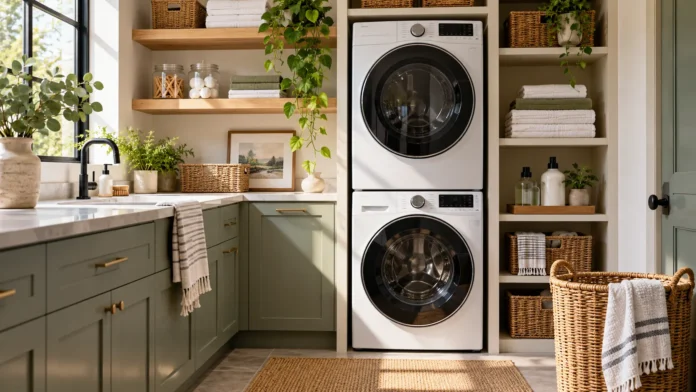
Kitchen cabinets play an important role in the appearance, functionality, and overall design of a kitchen. When cabinets become outdated or worn, homeowners often face an important decision between refacing and replacing them. Understanding kitchen cabinet refacing vs. replacing helps determine which option offers the best combination of cost, durability, and appearance.
Cabinet refacing involves updating visible surfaces while keeping the existing cabinet boxes. Cabinet replacement involves removing old cabinetry and installing new units, creating opportunities for more extensive changes. Both approaches have advantages, but their suitability depends on cabinet condition, renovation goals, and available budget.
Choosing the right approach requires more than comparing initial prices. Homeowners should consider material quality, storage needs, kitchen layout, installation requirements, and long-term maintenance. This guide explains the differences between cabinet refacing and replacement, including their benefits, disadvantages, costs, and practical considerations for making an informed decision.
What Is Kitchen Cabinet Refacing?
Kitchen cabinet refacing is a remodeling process that updates the appearance of existing cabinets without removing their main structural boxes. The process typically involves replacing cabinet doors and drawer fronts while covering visible frames with matching materials. It allows homeowners to achieve a different kitchen style while preserving the original cabinet layout.
Refacing materials may include wood veneer, rigid laminate, and other decorative surface products. New hinges, handles, and drawer hardware can also be installed as part of the project. The finished appearance depends on the selected materials, existing cabinet construction, and quality of installation.
Cabinet refacing is most suitable when existing cabinet boxes remain structurally sound and properly positioned. It generally does not create substantial changes to the kitchen layout or internal storage dimensions. Homeowners should evaluate cabinet condition carefully before investing in new exterior finishes.
What Is Kitchen Cabinet Replacement?
Kitchen cabinet replacement involves removing existing cabinets and installing new cabinet boxes, doors, drawers, and related components. This approach provides greater flexibility when changing the kitchen’s appearance, layout, or storage arrangements. It is often considered during major renovation projects involving multiple kitchen features.
New cabinets are available in stock, semi-custom, and custom configurations. Each category offers different design flexibility, construction quality, and pricing considerations. Homeowners can select cabinet dimensions, materials, finishes, and storage features according to their renovation requirements.
Replacement may be necessary when existing cabinets have extensive water damage, structural deterioration, or unsuitable dimensions. However, removing cabinets can also affect countertops, backsplashes, plumbing connections, and surrounding finishes. These additional considerations make replacement a more involved renovation process than basic refacing.
Kitchen Cabinet Refacing vs. Replacing: Main Differences
The biggest difference between cabinet refacing and replacement involves how much of the existing cabinetry remains in place. Refacing preserves the cabinet boxes and updates visible surfaces. Replacement removes the original cabinetry and introduces new structural components.
Refacing generally involves fewer changes to the existing kitchen layout. It focuses primarily on appearance, although selected hardware and storage accessories may also be upgraded. Replacement allows homeowners to reconsider cabinet placement, storage capacity, and design details more extensively.
Both methods can create attractive kitchens when completed with suitable materials and professional workmanship. Neither option is automatically superior in every situation. The most appropriate choice depends on existing cabinet condition, desired improvements, project costs, and long-term expectations.
Cost of Kitchen Cabinet Refacing
Cabinet refacing is often less expensive than full replacement because the existing cabinet boxes remain in place. This reduces the need for new structural materials and extensive removal work. However, the final cost depends on kitchen size, chosen finishes, door styles, and installation requirements.
Projects using premium wood veneers or custom cabinet doors may cost considerably more than basic laminate refacing. Additional upgrades, including new drawer hardware or internal organizers, can also increase expenses. Homeowners should request detailed estimates that clearly explain which materials and services are included.
Refacing does not always provide the lowest overall cost, especially when existing cabinets need significant repairs. In some situations, the difference between premium refacing and replacement may be relatively small. Comparing complete project estimates is more useful than assuming refacing will always be dramatically cheaper.
Cost of Replacing Kitchen Cabinets
Replacing kitchen cabinets usually requires a larger budget because new cabinet boxes, doors, drawers, and installation materials are involved. Costs vary according to cabinet quality, construction methods, kitchen dimensions, and design complexity. Custom cabinetry generally requires more specialized work than standard stock cabinets.
Additional expenses may include demolition, disposal, countertop adjustments, and repairs to surrounding surfaces. Changes to the kitchen layout can introduce further costs involving plumbing or electrical systems. These expenses should be considered when evaluating the total replacement budget.
New cabinets may offer better long-term value when existing structures are damaged or poorly designed. However, expensive cabinetry does not automatically increase property value by an equivalent amount. Homeowners should balance construction quality and functional improvements against available financial resources.
Pros of Kitchen Cabinet Refacing
One major advantage of cabinet refacing is the ability to refresh the kitchen without removing functional cabinet boxes. Homeowners can choose new door styles, finishes, and decorative details while maintaining the existing layout. This approach can improve appearance with less construction work.
Refacing may also reduce the amount of material sent to landfills compared with replacing usable cabinets. Keeping structurally sound cabinetry avoids unnecessary disposal and can reduce demand for new materials. Environmental benefits depend on the products selected and the project’s overall scope.
Another advantage is that refacing often causes less disruption than full replacement. Existing countertops and plumbing arrangements may remain unchanged when they are compatible with the project. This makes refacing attractive for homeowners who are satisfied with their kitchen’s current organization.
Cons of Kitchen Cabinet Refacing
The main disadvantage of cabinet refacing is its limited ability to change the existing kitchen layout. Cabinet boxes generally remain in their original positions, so storage dimensions and overall arrangements stay similar. Homeowners seeking substantial layout improvements may find this restrictive.
Refacing also depends on the condition of the original cabinet structures. Damaged panels, unstable joints, or moisture-related deterioration can affect the finished project’s durability. Applying attractive surfaces over weak cabinetry does not solve underlying construction problems.
Some refacing projects may also become expensive when premium materials and extensive modifications are selected. Older cabinets may need additional repairs before installation begins. These limitations make a careful inspection essential before choosing refacing as a renovation method.
Pros of Replacing Kitchen Cabinets
Cabinet replacement provides greater flexibility for changing kitchen layout, storage capacity, and overall functionality. Homeowners can select different cabinet heights, depths, and configurations. This is especially useful when the existing kitchen arrangement does not meet household needs.
New cabinetry also allows homeowners to choose modern storage features and construction materials. Options may include deep drawers, pull-out shelves, integrated organizers, and improved hardware. These features can make frequently used kitchen items easier to access.
Replacement can address problems that cosmetic refacing cannot resolve. Structurally damaged cabinets or unsuitable construction may be better handled through complete installation. When properly planned, new cabinetry can support both appearance and practical kitchen performance.
Cons of Replacing Kitchen Cabinets
The most significant disadvantage of cabinet replacement is its potentially higher cost. Purchasing new cabinets and paying for removal and installation can require a substantial renovation budget. Custom designs and premium materials may increase expenses further.
Replacing cabinets can also disrupt normal kitchen activities for a longer period. Existing countertops, backsplashes, and fixtures may need removal or modification. Unexpected issues involving walls, floors, or utilities can complicate the installation process.
Another consideration is construction waste created when old cabinets are discarded. Reusable cabinetry may sometimes be donated or repurposed, depending on its condition. Homeowners should evaluate whether complete replacement is necessary before removing functional materials.
Which Option Is Better for Outdated Kitchen Cabinets?
Outdated cabinets do not always require complete replacement. If the cabinet boxes remain strong and the layout works well, refacing can provide a significant visual improvement. New doors and surface finishes may create a contemporary appearance without changing the kitchen structure.
Replacement becomes more attractive when outdated cabinets also have functional limitations. Poorly arranged storage, damaged drawers, or unsuitable dimensions can make daily kitchen activities inconvenient. Installing new cabinets provides opportunities to address these problems more thoroughly.
The best decision depends on whether the primary concern involves appearance or functionality. A cosmetic problem may be solved through refacing, painting, or hardware upgrades. Structural or layout problems generally require a more extensive evaluation of available renovation options.
Cabinet Refacing vs. Replacing for Small Kitchens
Small kitchens require careful planning because limited space makes cabinet organization particularly important. Refacing can improve appearance while preserving the current arrangement. This may be suitable when the existing kitchen already makes efficient use of available space.
Replacement offers more opportunities to improve storage through different cabinet configurations. Taller cabinets, additional drawers, and specialized organizers may help homeowners use limited space more effectively. However, structural and appliance clearances must be considered before changing the layout.
Homeowners should measure the kitchen carefully and identify existing storage problems before deciding. A small kitchen does not automatically require new cabinets. Sometimes improved organizers and updated doors provide sufficient benefits without expensive reconstruction.
Cabinet Refacing vs. Replacing for Large Kitchens
Large kitchens often contain more cabinet doors, drawers, and visible surfaces than smaller spaces. This can make both refacing and replacement relatively expensive. The total project cost depends on the number of units and selected material quality.
Refacing may be appealing when a large kitchen already has functional cabinetry and a convenient layout. Preserving cabinet boxes can reduce construction requirements. Coordinated door styles and finishes can create a consistent appearance throughout the space.
Replacement may be worthwhile when a large kitchen needs significant storage improvements or a different layout. However, additional cabinets and design modifications can increase installation complexity. Homeowners should assess the practical value of each proposed change before committing to extensive renovations.
How Long Does Cabinet Refacing Last?
The lifespan of refaced cabinets depends on the condition of the underlying boxes, quality of materials, and installation workmanship. Durable finishes can remain attractive for many years when properly maintained. However, the existing structure continues to influence long-term performance.
Moisture exposure, frequent cleaning, and everyday wear may affect veneers, laminates, and other surface materials. Poorly attached finishes can peel or separate over time. Choosing suitable products and following maintenance recommendations helps reduce these risks.
Refacing cannot extend the useful life of severely deteriorated cabinet structures indefinitely. If the original boxes are already weak, new exterior finishes may provide limited value. Inspecting structural condition before renovation is essential for evaluating expected durability.
How Long Do New Kitchen Cabinets Last?
New kitchen cabinets can remain functional for many years when manufactured from suitable materials and installed correctly. Their lifespan depends on construction quality, hardware durability, moisture exposure, and everyday maintenance. Cabinet design and usage patterns also influence wear.
Solid wood and quality plywood cabinets may offer good durability, although performance varies by construction and environment. Engineered materials can also perform well when appropriate for their intended use. No cabinet material is completely immune to moisture damage or mechanical wear.
Routine maintenance supports cabinet longevity regardless of construction type. Promptly repairing leaks, cleaning surfaces appropriately, and maintaining hinges can prevent avoidable deterioration. Investing in suitable materials is important, but proper installation and care remain equally valuable.
Environmental Impact of Refacing vs. Replacing
Cabinet refacing may reduce material waste because existing cabinet boxes remain in use. Reusing functional structures can decrease the amount of discarded cabinetry produced during remodeling. This makes refacing an appealing option for homeowners interested in reducing renovation waste.
However, environmental impact also depends on the materials and adhesives used during refacing. Certain coatings, laminates, and manufacturing processes involve different resource requirements. Homeowners should consider product durability and available environmental certifications when comparing materials.
Replacement can also incorporate responsible practices when old cabinets are reusable or recyclable. Some homeowners choose certified wood products or materials manufactured with lower-emission processes. Evaluating the complete renovation process provides a more balanced understanding of environmental considerations.
Can Refacing Improve Kitchen Storage?
Traditional cabinet refacing primarily changes exterior surfaces rather than the internal cabinet layout. Existing shelf dimensions and storage arrangements generally remain the same. However, additional accessories may be installed when compatible with the original structure.
Pull-out shelves, drawer organizers, and other storage products can improve accessibility without replacing cabinet boxes. These features may help homeowners make better use of existing space. Their suitability depends on cabinet dimensions, weight capacity, and installation requirements.
When storage problems involve inadequate cabinet depth or poor placement, refacing may not provide sufficient improvement. Replacement allows more extensive changes to interior configurations. Understanding the actual storage problem helps determine which renovation method is most appropriate.
Design Options for Cabinet Refacing
Cabinet refacing offers numerous decorative possibilities through door styles, surface finishes, and hardware choices. Homeowners can create traditional, contemporary, farmhouse, or transitional kitchen designs. The existing cabinet layout generally remains unchanged while visible components receive updated finishes.
Popular choices include shaker-style doors, smooth flat-panel designs, wood veneers, and laminate surfaces. Hardware finishes such as matte black, brushed nickel, and brass can complement different cabinet colors. Coordinating these details with countertops and backsplashes creates a more consistent appearance.
Not every design is compatible with every cabinet structure. Door clearances, frame dimensions, and existing construction can limit certain modifications. Reviewing available options with a qualified cabinet professional helps prevent installation problems and unnecessary expenses.
Design Flexibility With New Kitchen Cabinets
New kitchen cabinets provide greater design flexibility because homeowners can select complete cabinet configurations. Options include different heights, depths, door styles, and drawer arrangements. This freedom is particularly useful during renovations involving major layout changes.
Custom cabinetry can accommodate unusual spaces and specific household needs. Semi-custom products offer selected modifications, while stock cabinets provide more standardized dimensions. The appropriate option depends on budget, required features, and available installation space.
Greater design flexibility also introduces additional planning responsibilities. Cabinet dimensions must coordinate with appliances, countertops, plumbing, and electrical requirements. Professional measurements and detailed planning help ensure the finished kitchen remains functional and comfortable.
Does Cabinet Refacing Increase Home Value?
Cabinet refacing can improve the appearance of a kitchen, which may influence how potential buyers perceive the property. Updated doors and finishes can make older cabinetry look more contemporary. However, visual improvement does not automatically guarantee a specific increase in resale value.
The financial effect depends on cabinet quality, overall kitchen condition, and local housing market expectations. A professionally finished kitchen may be more appealing than one with visibly worn cabinetry. However, buyers may still notice outdated layouts or underlying functional limitations.
Homeowners should evaluate refacing based on both daily enjoyment and potential resale considerations. Spending heavily on cosmetic improvements may not provide an equivalent financial return. Comparing local market conditions and renovation expenses helps establish realistic expectations.
Does Replacing Kitchen Cabinets Add More Value?
Replacing cabinets can improve functionality and appearance when the original cabinetry is damaged or poorly designed. New storage arrangements and durable construction may appeal to future buyers. However, higher renovation costs do not necessarily produce proportionally higher property values.
The effect on resale value depends on neighborhood standards, buyer preferences, and the overall condition of the home. An expensive custom kitchen may not provide the same financial return in every market. Excessive personalization can also limit appeal to certain buyers.
Homeowners should avoid assuming that complete replacement is always the best investment. Functional improvements and construction quality deserve priority over unnecessary luxury features. Real estate professionals familiar with the local market may provide useful guidance about expected buyer preferences.
How Long Does Cabinet Refacing Take?
Cabinet refacing generally involves less structural work than full cabinet replacement. The process may include measuring, preparing surfaces, installing new doors, and finishing visible areas. Project duration varies depending on kitchen size and the complexity of the selected materials.
Custom doors and specialized finishes may require fabrication before installation begins. Existing cabinet repairs can also extend the schedule. Homeowners should distinguish between material production time and the period when work occurs inside the kitchen.
A detailed project schedule helps reduce inconvenience during renovation. Contractors should explain preparation requirements, expected access limitations, and potential delays. Understanding the full process makes it easier to plan household activities around the work.
How Long Does Cabinet Replacement Take?
Cabinet replacement can take longer because it involves removing existing cabinetry and installing new structural components. The work may also affect countertops, plumbing connections, and surrounding surfaces. These additional tasks create more opportunities for scheduling delays.
The overall timeline depends on cabinet availability, customization, site preparation, and installation complexity. Custom cabinets may require substantial manufacturing time before delivery. Unexpected damage discovered during demolition can also extend the renovation.
Homeowners should request realistic project schedules from qualified contractors. Planning temporary kitchen arrangements may be helpful during extensive replacement projects. Clear communication about installation requirements reduces confusion and makes the renovation easier to manage.
Common Mistakes When Choosing Between Refacing and Replacing
One common mistake is selecting cabinet refacing without examining the structural condition of existing cabinetry. Water damage, unstable joints, and deteriorating panels may make refacing unsuitable. Cosmetic improvements cannot correct serious construction problems.
Another mistake involves comparing only the advertised prices of refacing and replacement. Estimates may include different materials, hardware, repairs, and installation services. A meaningful comparison requires understanding the complete scope of each proposal.
Homeowners should also avoid selecting a renovation method based entirely on current design trends. Cabinet functionality, maintenance requirements, and long-term durability deserve equal consideration. A successful kitchen improvement should remain useful after decorative preferences change.
How to Decide Between Cabinet Refacing and Replacement
The decision begins with evaluating the condition of existing cabinet boxes. Structurally sound cabinets with a functional layout are often suitable candidates for refacing. Cabinets with extensive damage or serious layout problems may justify replacement.
Next, homeowners should identify their renovation goals and available budget. Those seeking an updated appearance may find refacing sufficient, while major storage changes often require new cabinetry. Comparing detailed contractor estimates provides a clearer understanding of financial differences.
Finally, consider how long the kitchen is expected to serve current household needs. Durable materials, suitable storage, and professional installation influence long-term satisfaction. The best option is the one that addresses genuine problems without creating unnecessary costs.
Conclusion
Kitchen cabinet refacing and replacement offer different approaches to improving an outdated kitchen. Refacing preserves existing cabinet boxes while updating visible surfaces, making it suitable for many cosmetic renovations. Replacement provides greater flexibility for changing storage arrangements, dimensions, and overall kitchen design.
Refacing can reduce construction work and potentially lower expenses when existing cabinets remain in good condition. Replacement may be more appropriate when cabinetry has structural damage or no longer meets household needs. Both approaches can create attractive results when suitable materials and professional workmanship are used.
Choosing between cabinet refacing and replacing requires evaluating cabinet condition, project costs, design goals, and long-term functionality. Neither option is automatically best for every kitchen. A careful assessment helps homeowners make informed renovation decisions and create a comfortable, practical living space.
Frequently Asked Questions (FAQs)
Is It Cheaper to Reface or Replace Kitchen Cabinets?
Cabinet refacing is often cheaper because existing cabinet boxes remain in place. However, premium finishes, custom doors, and necessary repairs can reduce the price difference between refacing and replacement.
Is Cabinet Refacing Worth the Money?
Refacing can be worthwhile when cabinets are structurally sound and the existing layout is functional. It provides a refreshed appearance without requiring complete cabinet removal or extensive reconstruction.
How Long Do Refaced Kitchen Cabinets Last?
The lifespan of refaced cabinets depends on the underlying structure, materials, installation quality, and maintenance. Durable finishes can last many years when applied to sound cabinetry and properly maintained.
Can You Reface Kitchen Cabinets Yourself?
Some homeowners may complete simple cosmetic updates, but extensive refacing requires accurate measurements and suitable installation techniques. Professional assistance may be preferable for complex materials or damaged cabinetry.
Is It Better to Paint, Reface, or Replace Cabinets?
Painting is suitable for basic cosmetic updates, while refacing provides more extensive surface changes. Replacement is generally more appropriate when cabinets are damaged or major layout improvements are needed.