
A beautifully decorated home is not always about expensive furniture, luxury accessories, or following the latest interior design trends. Most professional interior designers focus on simple principles that make living spaces comfortable, balanced, and visually appealing. With the right decorating approach, even an ordinary room can become a welcoming space that reflects your personality and lifestyle.
Understanding a few essential home decor tips can help you make better design decisions without spending unnecessary money. From choosing the right color palette to arranging furniture and improving lighting, small changes can make a noticeable difference. These interior designer-approved decorating ideas will help you create a stylish, practical, and comfortable home.
Start With a Clear Interior Design Plan
One of the most important home decor tips interior designers recommend is creating a plan before purchasing furniture or accessories. Decorating without a clear direction can lead to mismatched colors, unsuitable furniture, and unnecessary expenses. Begin by understanding how each room will be used and what atmosphere you want to create.
Consider the room’s size, natural lighting, architectural features, and existing furniture when developing your decorating plan. A small living room may require compact seating and multifunctional storage, while a spacious room can accommodate larger furniture arrangements. Taking measurements beforehand helps you avoid buying pieces that do not fit comfortably within the available space.
Creating a simple mood board can also make decorating decisions easier. Collect examples of furniture, paint colors, fabrics, lighting fixtures, and accessories that appeal to you. Looking at these elements together helps establish a consistent design direction, allowing you to create a home that feels coordinated rather than randomly decorated.
Choose a Balanced and Cohesive Color Palette
Color strongly influences how a room looks and feels, making it an essential part of successful interior decoration. Professional designers often recommend selecting a main color and supporting shades that work harmoniously together. Neutral colors such as beige, cream, warm white, and soft gray provide a flexible background for furniture and decorative accessories.
The popular 60-30-10 decorating guideline can provide a useful starting point for balancing colors. Approximately 60 percent of the room uses a dominant color, 30 percent features a secondary shade, and 10 percent introduces accents. However, these proportions are flexible and should be adjusted according to personal preferences and the room’s unique characteristics.
Before committing to a wall color, test paint samples under different lighting conditions. Natural daylight, warm bulbs, and evening shadows can significantly affect how colors appear throughout the day. Observing samples on multiple walls helps you select shades that complement your furniture, flooring, and overall home interior design.
Invest in Quality Furniture That Fits Your Space
Furniture should support your daily activities while contributing to the room’s overall appearance. Interior designers frequently recommend prioritizing comfort, durability, and appropriate dimensions over temporary furniture trends. A well-proportioned sofa, practical dining table, or comfortable bed can provide lasting value when selected according to your household’s needs.
Avoid purchasing oversized furniture simply because a room has enough floor space to accommodate it. Large pieces can make movement difficult and create an overcrowded appearance when their proportions do not suit the surrounding layout. Measure doorways, walking paths, and furniture placement areas before making major purchases to ensure everything fits comfortably.
You also do not need to replace every piece of furniture to improve your home. Reupholstering a favorite chair, refinishing a wooden table, or changing furniture arrangements can refresh a room affordably. Combining existing pieces with a few carefully chosen additions creates a more personal and thoughtfully designed interior.
Layer Your Lighting for a Beautiful Atmosphere
Lighting is one of the most effective tools for improving home decor because it affects both appearance and functionality. Instead of depending entirely on one overhead light, designers commonly recommend combining multiple lighting sources. This approach creates a balanced environment that can accommodate different activities throughout the day and evening.
Ambient lighting provides general illumination, while task lighting supports activities such as reading, cooking, or working. Accent lighting highlights artwork, architectural details, or decorative objects that deserve attention. Combining ceiling fixtures, table lamps, wall sconces, and floor lamps creates flexible lighting arrangements that make rooms feel comfortable and inviting.
Natural light should also influence your decorating decisions whenever possible. Lightweight curtains, appropriately positioned mirrors, and lighter interior finishes can help distribute daylight throughout a room. Choose light bulbs with suitable brightness and color temperature to support the intended atmosphere, ensuring decorative lighting remains useful rather than purely ornamental.
Arrange Furniture to Improve Flow and Comfort
A successful furniture layout should make a room easy to navigate while supporting its primary purpose. Interior designers usually begin by identifying important features such as windows, fireplaces, television walls, or conversation areas. Arranging furniture around these elements helps create a logical layout that feels organized and comfortable.
In living rooms, positioning sofas and chairs to encourage conversation often works better than placing every piece against the walls. Leave enough room between seating, tables, and other furniture for people to move comfortably. Consider how doors open and where household members naturally walk when determining the best arrangement for everyday activities.
Furniture placement can also help define separate areas within open-plan spaces. A strategically positioned sofa, area rug, or console table can distinguish a living room from a dining area. These subtle boundaries establish a sense of organization without requiring permanent partitions or major changes to the home’s existing layout.
Use Rugs to Define and Connect Living Spaces
Area rugs can make a room feel warmer, more comfortable, and visually connected. Professional decorators often use rugs to establish seating areas and introduce color or texture. Choosing the correct rug size is essential because a rug that is too small may make furniture appear disconnected from the surrounding space.
In a living room, a common approach is selecting a rug large enough for at least the front legs of major seating pieces. Dining room rugs should generally extend far enough beyond the table for chairs to remain on the rug when pulled out. Measuring furniture arrangements before purchasing helps achieve a balanced result.
Rug materials should also match the room’s purpose and maintenance requirements. Wool rugs offer softness and durability, while washable synthetic options may be convenient in busy households. Consider texture, pattern, cleaning needs, and foot traffic when selecting a rug that enhances the room without creating unnecessary maintenance challenges.
Mix Textures and Materials for Visual Interest
Texture helps prevent home interiors from appearing flat, especially when the color scheme includes mostly neutral shades. Interior designers recommend combining materials with different surfaces to create depth and visual interest. Soft upholstery, wooden furniture, woven baskets, and smooth ceramic accessories can work together to establish a welcoming atmosphere.
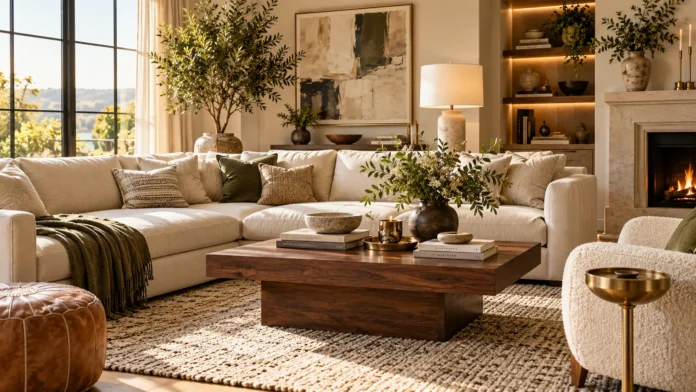
A living room with a linen sofa, wool throw, leather chair, and natural wooden coffee table offers an interesting combination of materials. Each surface contributes a different quality without requiring bold colors or elaborate patterns. Repeating a few materials throughout the room helps the overall arrangement feel connected rather than visually overwhelming.
Balance remains important when mixing decorative textures. Using too many competing finishes can make the room feel busy, while relying on identical materials may create a repetitive appearance. Choose a few complementary textures and distribute them thoughtfully across furniture, rugs, curtains, and decorative accessories to achieve a layered interior design.
Hang Artwork at the Right Height
Wall art introduces personality, color, and visual interest into living spaces. However, artwork placement can significantly influence how balanced a room appears. Interior designers commonly suggest hanging artwork so its center sits around eye level, although furniture height, ceiling dimensions, and viewing positions may require adjustments.
When displaying artwork above a sofa, bed, or console table, consider its relationship to the furniture underneath. Pieces that are too small may appear disconnected, while oversized artwork can overwhelm surrounding elements. Choosing artwork with suitable proportions helps create a natural visual connection between the walls and furniture arrangement.
Gallery walls offer another opportunity to personalize your home with photographs, illustrations, or collected artwork. Arrange frames on the floor before hanging them to experiment with spacing and composition. Maintaining consistent gaps or a shared visual theme helps the collection feel intentional while allowing individual pieces to express personal interests.
Incorporate Mirrors to Enhance Light and Space
Mirrors are useful decorating accessories because they provide both practical benefits and visual appeal. Interior designers often position mirrors where they can reflect windows, attractive architectural details, or carefully arranged decorative elements. A well-placed mirror can distribute natural light and create a greater sense of openness within a room.
Large mirrors can work particularly well in entryways, bedrooms, and compact living areas. For example, a mirror above a console table provides a convenient place to check your appearance while adding visual interest. Choosing a frame that complements nearby furniture and lighting helps the mirror feel integrated into the overall design.
Avoid placing mirrors randomly without considering what they reflect. A mirror facing a cluttered area may emphasize unwanted details rather than improve the room’s appearance. Test different positions before hanging large mirrors, paying attention to reflected views, glare, safety, and how the accessory contributes to the surrounding atmosphere.
Add Indoor Plants and Natural Elements
Indoor greenery can make a home feel fresher, more inviting, and visually connected to nature. Interior designers frequently use plants to introduce organic shapes and soften rooms dominated by straight furniture lines. Houseplants also provide opportunities to add gentle color without making significant changes to walls, flooring, or upholstery.
Choose plants that match the lighting and maintenance conditions in your home. Pothos, snake plants, and spider plants are popular choices, although each requires appropriate care to remain healthy. Consider the available sunlight, watering needs, and whether a plant is safe for household pets before deciding where to place it.
Natural decoration can extend beyond living plants to include wooden accessories, stoneware, dried branches, and fresh flowers. A ceramic vase filled with seasonal greenery can become an attractive dining table centerpiece. Using natural materials thoughtfully adds warmth and texture while complementing both modern and traditional home decor styles.
Create a Focal Point in Every Room
A focal point gives the eye somewhere to rest and helps establish a clear direction for decorating. Interior designers often build room arrangements around a fireplace, distinctive piece of furniture, large window, or artwork. Highlighting one important feature can make the surrounding space feel more organized and visually appealing.
In a living room, the focal point might be an elegant fireplace or a large painting above the sofa. Bedrooms often use the headboard or the wall behind the bed as the primary visual feature. Dining rooms may benefit from a statement pendant light or a thoughtfully styled centerpiece that attracts attention.
Avoid creating too many competing focal points within the same space. When several decorative elements demand equal attention, the room can begin to feel overwhelming. Allow one feature to stand out while choosing supporting furniture, colors, and accessories that enhance the overall composition without creating unnecessary visual competition.
Decorate Shelves Without Creating Clutter
Open shelving offers an opportunity to display books, artwork, plants, and meaningful decorative objects. However, overcrowded shelves can make even a beautifully furnished room feel disorganized. Interior designers often recommend arranging fewer carefully selected accessories rather than displaying every available item at once.
Experiment with objects of different heights, shapes, and materials to create visual interest. A small stack of books, a ceramic vase, and a framed photograph can form a balanced decorative arrangement. Leaving some empty space between groups allows individual objects to stand out while helping the shelves feel open and organized.
Functionality should remain important when decorating frequently used storage areas. Keep everyday items within easy reach and reserve less accessible shelves for decorative pieces. Regularly reviewing displayed objects can prevent unnecessary accumulation, ensuring shelves continue to complement the room rather than becoming difficult-to-maintain storage spaces.
Choose Window Treatments That Complement the Room
Curtains, blinds, and other window treatments affect privacy, natural lighting, and the overall appearance of a room. Interior designers often recommend selecting window coverings that suit both the architecture and practical requirements of the space. Simple linen curtains, Roman shades, and wooden blinds can complement many decorating styles.
Hanging curtain rods above the window frame can create the impression of greater height when proportions allow. Extending the rod beyond the sides of the window may also help curtains stack away from the glass. These adjustments can allow more daylight into the room while making windows appear visually larger.
Consider fabric weight, cleaning requirements, and light control before selecting window treatments. Bedrooms may benefit from blackout curtains, while living rooms often work well with lighter fabrics that filter sunlight. Choosing suitable colors and textures ensures your window coverings contribute to a cohesive interior without sacrificing everyday comfort.
Personalize Your Home With Meaningful Accessories
A beautifully decorated home should reflect the people who live there rather than resemble a generic furniture display. Professional interior designers often incorporate meaningful accessories to introduce character and personal history. Family photographs, travel souvenirs, favorite books, and handmade decorations can make a space feel welcoming and individual.
Personal accessories work best when displayed thoughtfully instead of being scattered across every available surface. Group smaller objects together, select a few favorite photographs, or dedicate a shelf to treasured collections. This approach gives important belongings a visible place while preserving an organized and balanced room arrangement.
Do not feel pressured to follow every new decorating trend or purchase accessories simply because they are popular. Choose items that genuinely appeal to your tastes and complement the surrounding furniture. A home filled with meaningful details often feels more comfortable and memorable than one designed entirely around temporary fashion.
Maximize Small Spaces With Smart Decorating
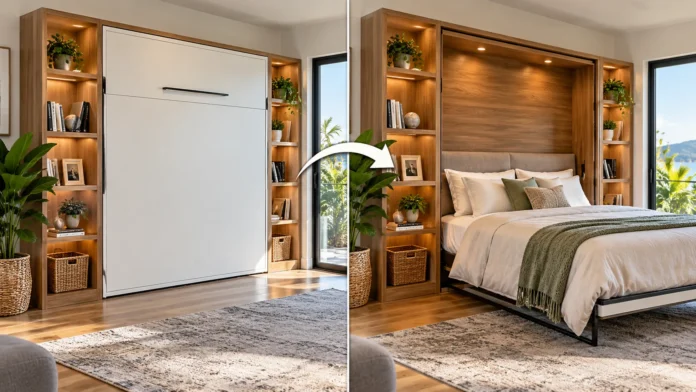
Small rooms can feel comfortable and stylish when furniture, storage, and decorative elements are selected carefully. Interior designers commonly recommend multifunctional furniture to make limited floor space more useful. Storage ottomans, extendable tables, nesting side tables, and beds with built-in drawers can provide practical solutions without overcrowding the room.
Using lighter colors and maintaining clear walking paths can help compact interiors feel more open. Wall-mounted shelves and appropriately sized mirrors may also improve the visual balance of smaller rooms. Instead of filling every corner with furniture, prioritize pieces that support everyday activities and leave enough space for comfortable movement.
Vertical space provides valuable decorating opportunities in apartments and compact homes. Tall bookshelves, wall-mounted storage, and carefully positioned artwork draw attention upward while keeping floor areas available. Combining these features with suitable lighting and organized storage creates a room that feels practical, welcoming, and thoughtfully arranged despite its smaller dimensions.
Balance Decorative Trends With Timeless Design
Interior design trends can provide inspiration, but relying entirely on temporary styles may lead to frequent decorating changes. Many designers recommend establishing a foundation of classic furniture, practical layouts, and versatile colors. These choices make it easier to experiment with new decorative ideas without repeatedly replacing expensive items.
Introduce trends through accessories that are relatively affordable and simple to change. Cushions, throws, artwork, and small decorative objects can refresh a room whenever your preferences evolve. This approach allows you to enjoy current decorating styles while maintaining the comfort and visual consistency of your existing interior.
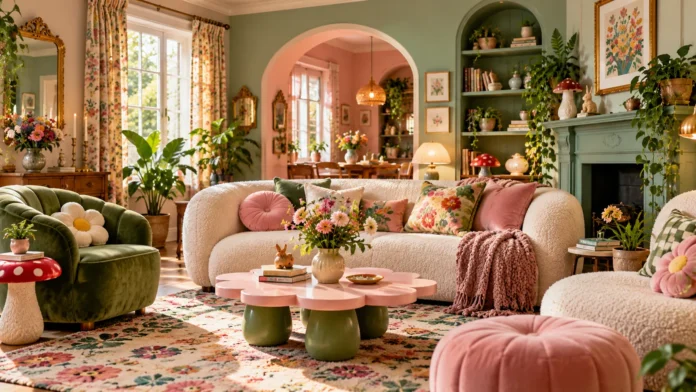
Timeless decorating does not mean every room must look traditional or neutral. Modern furnishings, colorful accents, and distinctive patterns can remain appealing when selected thoughtfully. The goal is to balance personal expression with functional design choices, creating a home that continues to feel comfortable and attractive over time.
Avoid Common Home Decorating Mistakes
One common decorating mistake is purchasing furniture without measuring the available space. Oversized sofas, crowded dining arrangements, and poorly positioned cabinets can reduce comfort and disrupt movement. Taking accurate measurements and planning furniture placement beforehand helps prevent costly purchases that do not work within the intended room.
Another mistake involves using insufficient lighting or relying too heavily on decorative accessories. A room may appear unfinished when important activities lack proper illumination, while excessive decoration can create visual clutter. Combining suitable lighting with a smaller collection of meaningful accessories often produces a more balanced and welcoming environment.
Ignoring personal comfort is another issue that can undermine otherwise attractive interiors. Beautiful furniture becomes less valuable when it is difficult to use, maintain, or arrange around daily routines. Successful home decoration considers appearance and practicality together, ensuring the finished space supports the needs of everyone who lives there.
Conclusion
Creating a beautiful home does not require an unlimited budget or professional decorating experience. Many home decor tips interior designers recommend focus on practical decisions such as selecting suitable furniture, improving lighting, coordinating colors, and organizing available space. Applying these principles can transform ordinary rooms into comfortable, attractive, and functional living environments.
Thoughtful decorative details also contribute to a well-designed home. Textured fabrics, appropriately sized rugs, meaningful artwork, indoor plants, and balanced accessories add warmth and personality without requiring major renovations. Paying attention to proportions, natural light, and everyday usability can make even small decorating improvements feel significant.
The most successful interiors combine timeless design principles with individual preferences and practical household needs. Rather than copying every decorating trend, focus on creating rooms that support your lifestyle and reflect your personal taste. With careful planning and thoughtful choices, you can develop a home that remains comfortable, organized, and visually appealing for years.
Frequently Asked Questions
What are the most important home decor tips interior designers recommend?
Interior designers often recommend choosing a cohesive color palette, selecting appropriately sized furniture, layering lighting, and maintaining balanced room layouts. Adding meaningful accessories and prioritizing comfort also helps create attractive, functional spaces.
How can I make my home look professionally decorated?
Start by planning furniture placement, coordinating colors, and improving lighting. Use appropriately sized rugs, hang artwork thoughtfully, and combine complementary textures to create a polished appearance without purchasing expensive decorative items.
What is the 60-30-10 rule in interior design?
The 60-30-10 rule is a decorating guideline that uses approximately 60 percent dominant color, 30 percent secondary color, and 10 percent accent color. These proportions help create visual balance.
How can I decorate my home beautifully on a budget?
Rearrange existing furniture, refresh walls with paint, and introduce affordable accessories such as cushions, artwork, and indoor plants. Shopping secondhand and updating older furniture can also improve interiors without significant spending.
What makes a home look elegant and timeless?
An elegant, timeless home typically combines balanced colors, comfortable furniture, natural materials, layered lighting, and thoughtful decorative details. Avoiding unnecessary clutter and choosing quality pieces helps maintain lasting visual appeal.


[…] Home Decor Tips Interior Designers Always Recommend […]
[…] Home Decor Tips Interior Designers Always Recommend […]