
Whimsical decor is a creative interior design style that brings imagination, personality, and playful details into everyday living spaces. Instead of following strict decorating rules, it encourages homeowners to experiment with unexpected colors, unusual shapes, charming accessories, and imaginative patterns. The result is a home that feels welcoming, expressive, and full of delightful surprises.
The growing appeal of whimsical decor comes from its ability to transform ordinary rooms into spaces that tell personal stories. From fairy-tale-inspired bedrooms and colorful living rooms to vintage decorations and nature-themed accessories, whimsical interiors celebrate individuality. This decorating approach combines artistic creativity with practical design, allowing each room to feel unique without sacrificing comfort.
Whether you prefer soft pastel colors, playful furniture, botanical patterns, or nostalgic vintage accents, whimsical decorating offers countless possibilities. You can introduce this style through small accessories or create an entirely imaginative interior. This guide explores popular whimsical decor styles, creative room ideas, and practical tips for bringing personality and charm into your home.
What Is Whimsical Decor in Interior Design?
Whimsical decor is an interior design approach that uses playful, imaginative, and unexpected elements to create visually interesting spaces. It often includes unusual furniture shapes, colorful patterns, decorative artwork, and accessories inspired by fantasy or nature. Unlike minimalist interiors, whimsical rooms welcome personality and encourage creative combinations that reflect individual interests.
This decorating style does not have one fixed color palette or furniture arrangement. Some whimsical interiors feature soft pastels and delicate decorations, while others embrace bold colors and dramatic statement pieces. The defining characteristic is a sense of imagination, where familiar household objects become opportunities for artistic expression.
Whimsical decorating can also incorporate vintage furniture, handmade crafts, and meaningful personal collections. The goal is not to fill every corner with decorations but to create a space that feels enjoyable and thoughtfully designed. By balancing playful elements with practical furnishings, homeowners can achieve interiors that remain comfortable for everyday living.
1. Fairy-Tale Whimsical Decor – Create a Dreamy Interior
Fairy-tale whimsical decor draws inspiration from enchanted forests, storybook castles, magical gardens, and romantic illustrations. This style often features delicate furniture, decorative mirrors, soft fabrics, and charming accessories. Its dreamy appearance makes it especially appealing for bedrooms, reading corners, and other spaces intended for relaxation.
Popular decorative choices include floral wallpaper, vintage-inspired lamps, curved furniture, and embroidered cushions. Soft colors such as lavender, blush pink, sage green, and cream can create an inviting atmosphere. Decorative details like botanical artwork and carved wooden frames add personality without making the room feel overly complicated.
To achieve this look, start with a simple furniture arrangement and introduce a few imaginative focal points. A decorative mirror, patterned curtains, or beautiful bedside lamp can establish the theme. Keeping the main furnishings comfortable and functional helps ensure the fairy-tale atmosphere remains suitable for everyday life.
2. Cottagecore Whimsical Decor – Rustic Beauty and Natural Charm
Cottagecore whimsical decor celebrates countryside living, traditional craftsmanship, and the beauty of nature. It combines cozy furnishings with floral patterns, vintage accessories, and natural materials. The overall appearance feels warm and nostalgic, making it popular among homeowners who enjoy relaxed interiors inspired by rural cottages.
Common elements include wooden furniture, botanical prints, linen curtains, and ceramic vases filled with flowers. Soft green, cream, muted yellow, and dusty pink work beautifully in cottagecore-inspired rooms. Handmade quilts, woven baskets, and antique-style picture frames can also reinforce the traditional countryside atmosphere.
Creating a cottagecore interior does not require expensive antiques or a complete renovation. Secondhand furniture, simple floral textiles, and small decorative collections can introduce the style gradually. Combining older decorative pieces with modern practical furnishings helps create a welcoming home that feels personal rather than overly staged.
3. Colorful Maximalist Decor – Bold Patterns and Playful Details
Whimsical maximalism embraces bright colors, unusual accessories, and creative combinations of patterns. Unlike restrained decorating styles, maximalist interiors encourage expressive choices and visually interesting arrangements. The approach works well for homeowners who enjoy collecting artwork, displaying favorite objects, and experimenting with energetic color palettes.
A colorful maximalist room might feature a patterned sofa, contrasting cushions, decorative wallpaper, and an unusual floor lamp. Jewel tones, vibrant pinks, rich blues, and sunny yellows can create an exciting atmosphere. Mixing different prints can also work beautifully when they share complementary colors or recurring design elements.
Successful maximalist decorating requires thoughtful organization rather than simply adding more objects. Choosing a few dominant colors can help connect different patterns and accessories. Maintaining comfortable walking space and functional storage ensures the room remains enjoyable while celebrating creativity and personal expression.
4. Pastel Whimsical Decor – Soft Colors and Dreamy Details
Pastel whimsical decor combines gentle colors with imaginative accessories to create a light and welcoming atmosphere. Popular shades include mint green, lavender, peach, powder blue, and pale yellow. These colors offer an alternative to bold maximalist designs while still allowing homeowners to express creativity through playful details.
A pastel living room might feature a lavender accent chair, cream sofa, and mint-colored decorative accessories. In bedrooms, soft-colored bedding and curved furniture can create a coordinated appearance. Small details such as scalloped mirrors, patterned lampshades, and whimsical artwork bring additional personality to the space.
The key to decorating with pastels is balancing several colors without making the room appear disconnected. Neutral walls and natural wooden furniture can provide a consistent foundation. Repeating selected pastel shades through textiles and accessories helps create visual harmony while maintaining the style’s playful character.
5. Vintage Whimsical Decor – Nostalgic Furniture and Charming Accessories
Vintage whimsical decor combines nostalgic objects with unexpected decorative details. It may feature antique-style furniture, colorful glassware, decorative clocks, and unusual framed artwork. The combination of older pieces and creative styling gives interiors a distinctive appearance that feels personal and full of history.
Secondhand shops and vintage markets can be useful places to discover furniture and accessories with interesting shapes. Decorative mirrors, patterned lamps, and traditional wooden cabinets can become focal points. Combining vintage objects from different periods creates visual variety, particularly when the pieces share similar colors or materials.
Homeowners should balance decorative appeal with practicality when selecting older furniture. Checking structural condition, electrical safety, and material finishes is important before using vintage items. A thoughtfully arranged collection can create an imaginative interior without making the room feel crowded or difficult to maintain.
6. Nature-Inspired Whimsical Decor – Bring the Outdoors Inside
Nature-inspired whimsical decor uses flowers, leaves, mushrooms, butterflies, and woodland motifs to create an imaginative interior. This style combines botanical beauty with playful artistic details. It is particularly suitable for homeowners who appreciate natural textures, earthy colors, and decorations inspired by gardens or forests.
Popular accessories include botanical wallpaper, leaf-shaped cushions, floral artwork, and ceramic mushroom ornaments. Wooden furniture and woven textiles provide a natural foundation, while green and warm brown tones reinforce the theme. Indoor plants can introduce living greenery when suitable lighting and care are available.
A nature-inspired room does not need to contain decorations on every surface. One botanical feature wall or a few thoughtfully selected accessories can establish the desired atmosphere. Combining whimsical shapes with natural materials creates a balanced interior that feels creative, comfortable, and connected to the outdoors.
7. Whimsical Living Room Decor – Fun and Comfortable Spaces
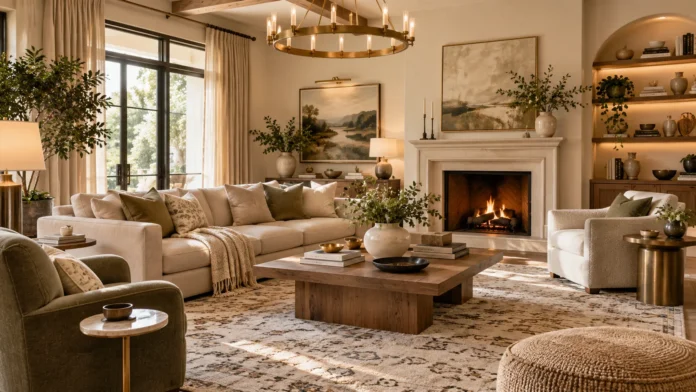
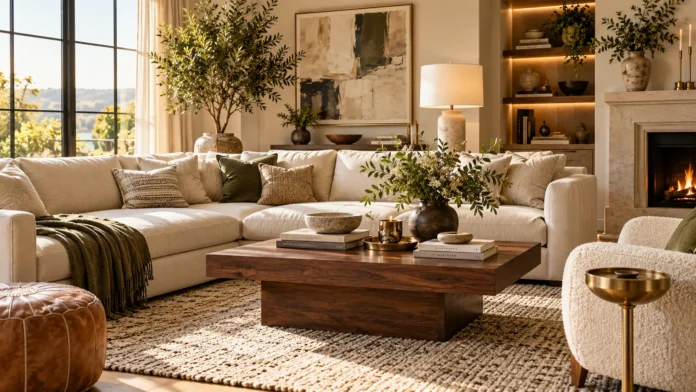
The living room is an excellent place to experiment with whimsical decor because it combines everyday functionality with opportunities for personal expression. Unusual artwork, colorful furniture, and distinctive lighting can create an inviting atmosphere. The goal is to make the space feel interesting without compromising comfortable seating or practical movement.
A statement armchair in an unexpected color can immediately introduce playful character. Patterned cushions, decorative side tables, and sculptural lamps provide additional opportunities for creativity. Homeowners can also display favorite books, ceramics, and artwork to reflect their interests and make the room feel more personal.
A successful whimsical living room benefits from a consistent design foundation. Neutral walls or a coordinated color palette can connect decorative elements that might otherwise appear unrelated. Comfortable furniture, practical storage, and appropriate lighting help maintain a welcoming environment for daily activities and social gatherings.
8. Whimsical Bedroom Decor – Create a Magical Personal Retreat
Whimsical bedroom decor transforms a personal sleeping space through imaginative colors, charming accessories, and cozy textures. The style can range from dreamy fairy-tale inspiration to colorful contemporary designs. Choosing decorations that reflect personal interests helps create a bedroom that feels expressive while remaining comfortable.
Popular ideas include floral bedding, curved headboards, decorative wall art, and unusual bedside lamps. Soft lighting and layered textiles can create visual warmth, while a patterned feature wall introduces personality. Decorative cushions and carefully selected curtains can also establish a whimsical atmosphere without requiring major furniture changes.
Bedroom design should prioritize comfort and practical use alongside decorative appeal. Keeping surfaces organized and maintaining suitable lighting for reading or relaxing can improve everyday functionality. A few distinctive accessories often create a stronger visual impression than filling the room with too many competing decorations.
9. Whimsical Kitchen Decor – Add Personality to Everyday Cooking
Whimsical kitchen decor introduces playful details into a space traditionally designed around practical activities. Colorful accessories, patterned textiles, and unusual decorative objects can make the kitchen feel more inviting. This approach works in both modern and traditional kitchens because it does not require replacing major cabinets or appliances.
Homeowners can introduce whimsical details through decorative mugs, colorful dishware, patterned curtains, and cheerful wall art. A pastel-colored backsplash or unusual cabinet handles can create a stronger design statement. Small ceramic ornaments and vintage-inspired storage containers may also complement the theme when arranged thoughtfully.
Kitchen decorations should remain suitable for areas exposed to heat, moisture, and frequent cleaning. Keeping decorative objects away from cooking surfaces helps maintain a practical environment. Choosing washable textiles and easy-to-clean accessories allows homeowners to enjoy playful styling without interfering with food preparation or storage.
10. Whimsical Bathroom Decor – Small Details With Big Impact
Bathrooms can benefit from whimsical decorations because their compact size makes small design changes noticeable. Decorative mirrors, patterned shower curtains, and colorful accessories can transform an ordinary bathroom. A playful design also provides opportunities to experiment with unusual themes without changing the overall style of the home.
Popular bathroom ideas include floral wallpaper designed for humid environments, scalloped mirrors, decorative soap dispensers, and colorful towels. Soft pastel shades can create a gentle appearance, while bold wallpaper provides a more dramatic effect. Coordinating a few key accessories helps maintain visual balance.
Practical considerations remain essential when decorating bathrooms. Materials should tolerate moisture, and accessories should not interfere with ventilation or cleaning. Selecting durable finishes and keeping frequently used surfaces accessible allows the space to feel both imaginative and comfortable for everyday routines.
11. Whimsical Wall Decor – Creative Artwork and Decorative Features
Wall decor provides one of the easiest ways to introduce whimsy into a room without purchasing new furniture. Decorative artwork, patterned wallpaper, unusual mirrors, and colorful wall hangings can quickly change a space’s atmosphere. These features allow homeowners to experiment with personality while keeping larger furnishings relatively simple.
Gallery walls are particularly useful for displaying illustrations, vintage prints, photographs, and decorative objects together. Mixing different frame shapes can create an artistic appearance when the arrangement follows a consistent visual theme. Botanical prints, abstract artwork, and playful animal illustrations are popular options.
Removable wall decals and temporary wallpaper can also be useful for homeowners who prefer flexible decorating solutions. These products allow experimentation without permanent changes to the walls. Careful spacing and thoughtful arrangement help prevent decorative elements from overwhelming the room’s existing architecture.
12. Whimsical Furniture – Unique Shapes and Unexpected Designs
Furniture plays an important role in whimsical interiors because unusual silhouettes can become memorable design features. Curved sofas, sculptural chairs, playful side tables, and decorative cabinets introduce creativity through their shapes. Even a single distinctive furniture piece can establish a whimsical atmosphere within an otherwise simple room.
Popular choices include rounded armchairs, mushroom-shaped stools, scalloped headboards, and colorful upholstered benches. These designs add visual interest without requiring elaborate wallpaper or numerous decorative accessories. Combining a statement furniture piece with neutral surrounding elements can help create balance.
When selecting whimsical furniture, comfort and durability should remain priorities. An unusual chair should still provide appropriate support, while decorative tables need stable construction. Choosing furniture that combines practical function with imaginative styling helps create a home that is both expressive and enjoyable to use.
13. Whimsical Lighting – Create a Dreamy Atmosphere
Lighting can dramatically influence the appearance of whimsical interiors by highlighting decorative features and creating visual warmth. Unusual lamp shapes, decorative pendants, and softly illuminated corners can make a room feel more imaginative. Lighting also helps connect furniture, wall colors, and accessories into a cohesive design.
Popular whimsical lighting ideas include flower-shaped lamps, colorful glass pendants, cloud-inspired fixtures, and vintage-style table lamps. Warm-toned bulbs can create a cozy atmosphere, while adjustable lighting provides flexibility for different activities. Decorative fixtures often work best when combined with practical general lighting.
Homeowners should select lighting according to the room’s size, function, and electrical requirements. Decorative fixtures need appropriate installation, particularly in bathrooms or other areas with specific safety considerations. Combining attractive lighting with suitable brightness helps maintain an inviting interior without sacrificing everyday usability.
14. Whimsical Decor for Small Spaces and Apartments
Whimsical decor can work beautifully in small homes because creative details do not require large rooms. Compact apartments, studio spaces, and small bedrooms can benefit from colorful accessories and distinctive decorative features. The key is choosing a limited number of statement pieces that create personality without reducing usable space.
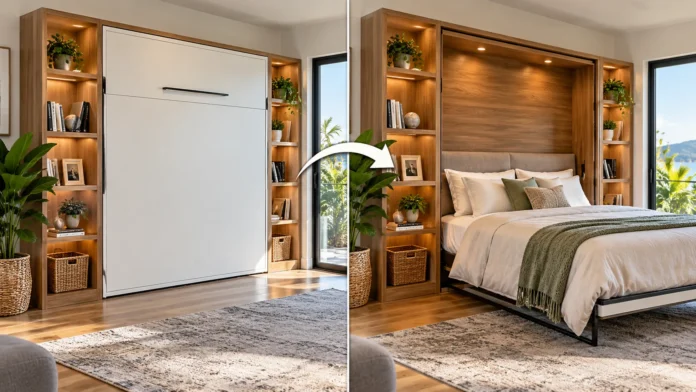
A small apartment might feature a colorful accent chair, decorative mirror, and patterned cushions. Wall-mounted artwork and compact sculptural lamps can introduce whimsy without occupying substantial floor space. Using multifunctional furniture also helps maintain practicality while allowing room for creative styling.
Light-colored walls can provide a flexible background for playful decorations, although darker schemes may work equally well when carefully planned. Organized storage helps prevent visual clutter from distracting from the design. Choosing decorations that reflect personal interests makes even a compact space feel distinctive and welcoming.
15. DIY Whimsical Decor – Creative Ideas on a Budget
DIY projects offer an affordable way to introduce whimsical details into a home while expressing personal creativity. Simple activities such as painting decorative frames, updating plant pots, or creating personalized artwork can make ordinary objects more interesting. Handmade decorations also give rooms a distinctive character that cannot always be achieved with mass-produced accessories.
Popular projects include painting wooden picture frames in pastel colors, creating botanical wall art, and decorating storage boxes with playful patterns. Existing furniture can sometimes be refreshed with appropriate paint or decorative hardware. Choosing manageable projects helps homeowners experiment with the style without committing to extensive renovations.
DIY decorating works best when materials are suitable for their intended use. Selecting appropriate paints, adhesives, and finishes helps improve durability and appearance. Homeowners should also follow product safety instructions and seek professional assistance for electrical work or structural alterations rather than attempting unsuitable modifications.
16. How to Mix Whimsical Decor With Modern Interior Design
Whimsical decor can complement modern interior design when playful details are introduced thoughtfully. Modern spaces often feature clean lines, simple furniture, and restrained color palettes, creating an effective background for imaginative accessories. This contrast allows decorative elements to stand out without making the overall room feel visually overwhelming.
For example, a neutral living room can feature a colorful sculptural lamp or a patterned statement chair. A minimalist bedroom may benefit from an unusual mirror or botanical artwork. Selecting only a few prominent whimsical elements helps maintain the clean appearance associated with contemporary interiors.
A consistent color palette can connect playful accessories with modern furniture. Repeating accent colors through cushions, artwork, and decorative objects creates a coordinated appearance. By balancing simplicity with creativity, homeowners can achieve an interior that feels fresh, distinctive, and comfortable.
17. Best Colors and Patterns for Whimsical Decor
Color plays an important role in whimsical decorating because it establishes the mood and visual character of a room. Some interiors use gentle pastel shades, while others embrace energetic combinations of pink, green, blue, yellow, and purple. The most effective palette depends on personal preference and the desired atmosphere.
Patterns are equally important because they introduce movement and personality. Floral prints, botanical illustrations, playful checks, stars, and abstract shapes are common whimsical choices. Combining patterns can create an attractive layered appearance when they share related colors or compatible proportions.
Homeowners can begin with one dominant color and introduce two or three complementary shades through accessories. Repeating selected colors helps connect different decorative patterns and furniture pieces. Testing color samples under actual room lighting can also help prevent unexpected results when painting walls or selecting major furnishings.
18. How to Decorate With Whimsical Accessories
Accessories are among the easiest ways to create a whimsical interior because they introduce personality without major financial commitments. Decorative vases, unusual clocks, patterned cushions, and artistic ornaments can change a room’s appearance. Choosing objects with interesting shapes or meaningful connections helps create a distinctive decorating style.
Popular whimsical accessories include ceramic mushrooms, colorful glassware, floral cushions, decorative mirrors, and small animal-inspired sculptures. Books and personal collections can also become attractive decorative features. Grouping objects with different heights and textures creates visual interest while maintaining a thoughtful arrangement.
The key is selecting accessories that complement the room rather than filling every available surface. A few carefully chosen pieces can create a memorable impression while leaving space for everyday activities. Rotating seasonal decorations also provides opportunities to refresh the interior without purchasing large amounts of new furniture.
19. Common Mistakes to Avoid With Whimsical Decor
One common mistake is introducing too many unrelated decorative elements without considering how they work together. Although whimsical design encourages creativity, excessive patterns and accessories can make a room feel visually confusing. A consistent color palette or recurring decorative theme helps connect different pieces into a more balanced arrangement.
Another mistake is prioritizing unusual appearance over comfort and functionality. A distinctive chair may look interesting but offer little practical value if it is uncomfortable. Similarly, excessive tabletop decorations can interfere with everyday activities and create unnecessary cleaning difficulties.
Homeowners should also avoid copying an entire decorating trend without considering their personal preferences. Whimsical interiors are most successful when they reflect individual interests rather than a fixed collection of fashionable products. Combining imaginative details with practical choices creates a space that remains enjoyable over time.
20. How to Create a Whimsical Home Step by Step
Creating a whimsical home begins with identifying the decorative styles and colors that appeal to you. Some homeowners prefer fairy-tale inspiration, while others enjoy colorful maximalism or vintage accessories. Selecting a clear starting direction makes it easier to choose furnishings and decorative elements that work together.
The next step is establishing a practical foundation using existing furniture, suitable lighting, and functional storage. Introduce whimsical details gradually through artwork, textiles, or one distinctive statement piece. This approach allows homeowners to evaluate how different decorative elements interact before making larger design changes.
Finally, personalize the space through meaningful objects, handmade decorations, and accessories that reflect your interests. Review the arrangement occasionally to ensure that the room remains comfortable and organized. A successful whimsical interior combines creativity with practical living requirements, making the home both visually engaging and welcoming.
Conclusion
Whimsical decor offers a creative approach to interior design that celebrates imagination, personality, and playful details. From dreamy fairy-tale bedrooms and charming cottagecore spaces to colorful maximalist living rooms, the style provides endless possibilities. Its flexibility allows homeowners to express their interests while creating distinctive environments that feel welcoming and enjoyable.
The best whimsical decorating ideas combine unusual shapes, coordinated colors, interesting patterns, and meaningful accessories. Small changes such as decorative lighting, colorful cushions, or unique wall art can transform a space without major renovations. Maintaining a balance between creativity and functionality helps ensure that rooms remain comfortable for everyday living.
Whether you prefer subtle pastel details or bold imaginative interiors, whimsical decor can be adapted to almost any home. Thoughtful planning, personal creativity, and carefully selected decorations are more important than following strict design rules. By experimenting with styles that inspire you, it is possible to create a home filled with charm, character, and originality.
Frequently Asked Questions (FAQs)
1. What is whimsical decor?
Whimsical decor is an interior design style that uses playful colors, unusual furniture shapes, imaginative artwork, and creative accessories. It focuses on personality and visual interest while maintaining a comfortable living environment.
2. What colors are popular in whimsical interior design?
Popular colors include pastel pink, lavender, mint green, powder blue, yellow, and rich jewel tones. Whimsical interiors can use either soft palettes or bold combinations, depending on personal preferences.
3. How can I make my room look whimsical on a budget?
Start with affordable changes such as patterned cushions, colorful artwork, decorative mirrors, and secondhand accessories. DIY projects and repurposed furniture can also introduce whimsical character without requiring expensive renovations.
4. Can whimsical decor work in a modern home?
Yes, whimsical accessories can complement modern interiors beautifully. Introducing one or two statement pieces, playful lighting fixtures, or colorful artworks adds personality while preserving a clean and contemporary appearance.
5. What is the difference between whimsical decor and maximalism?
Whimsical decor emphasizes imagination, playful shapes, and unusual decorative elements. Maximalism focuses on abundant colors, patterns, and layered collections, although both styles can overlap in expressive interior designs.


[…] Whimsical Decor: Popular Looks & How to Get Them […]